
Build for repeated handling
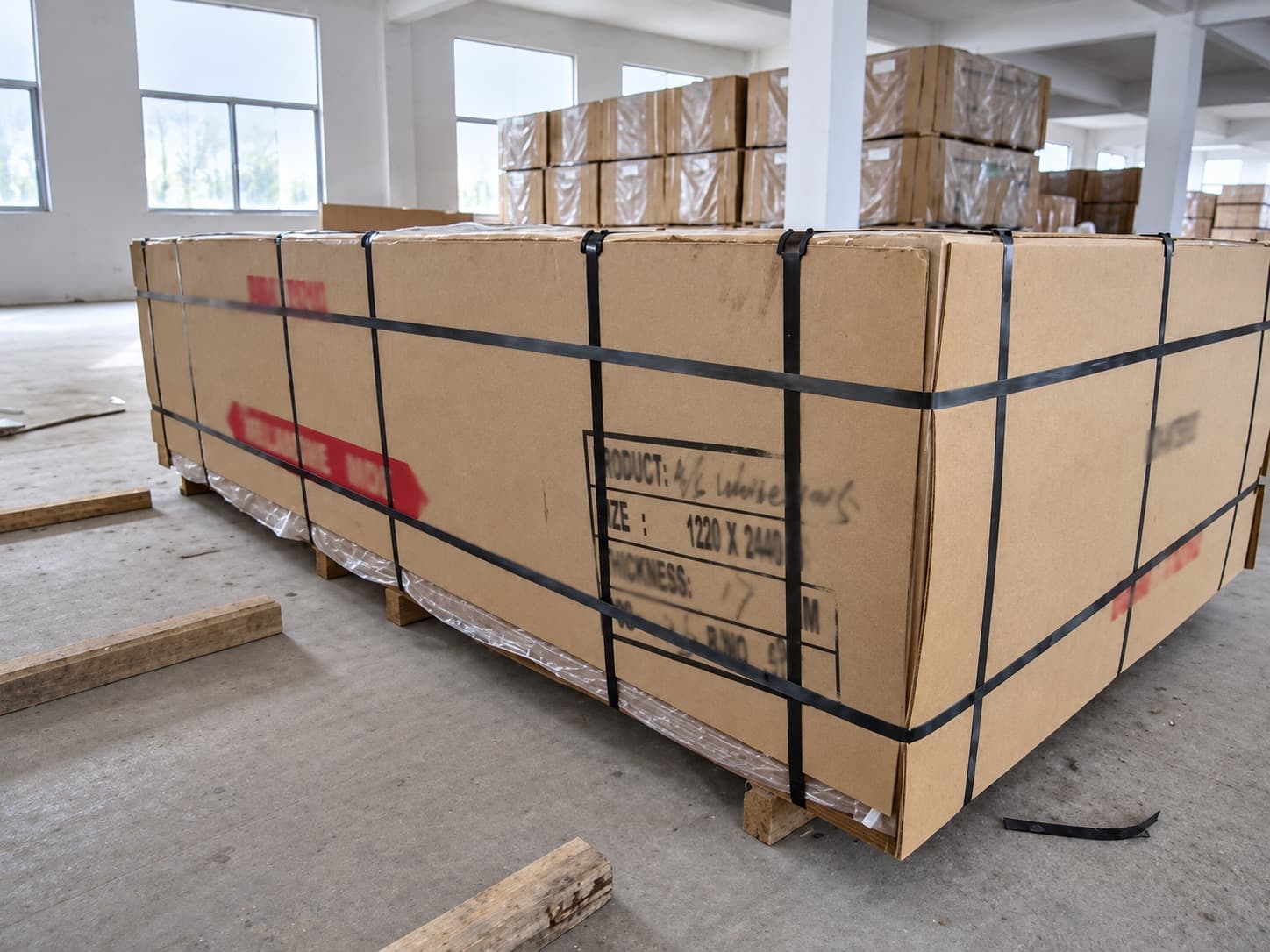
Confirm rigid cover boards, face and edge protection, moisture barrier or wrapping, bearers and strap positions around the approved bundle.
Export MDF order execution
Connect the approved product and quantity with bundle construction, package IDs, loading records, container identity and receiving information.
Export order execution
This page explains how CUZI MDF turns a confirmed export order into a reviewable bundle, label and container-loading record. The construction must follow the supplied board or component, surface sensitivity, dimensions, quantity, handling route and destination.
Actual shipment records
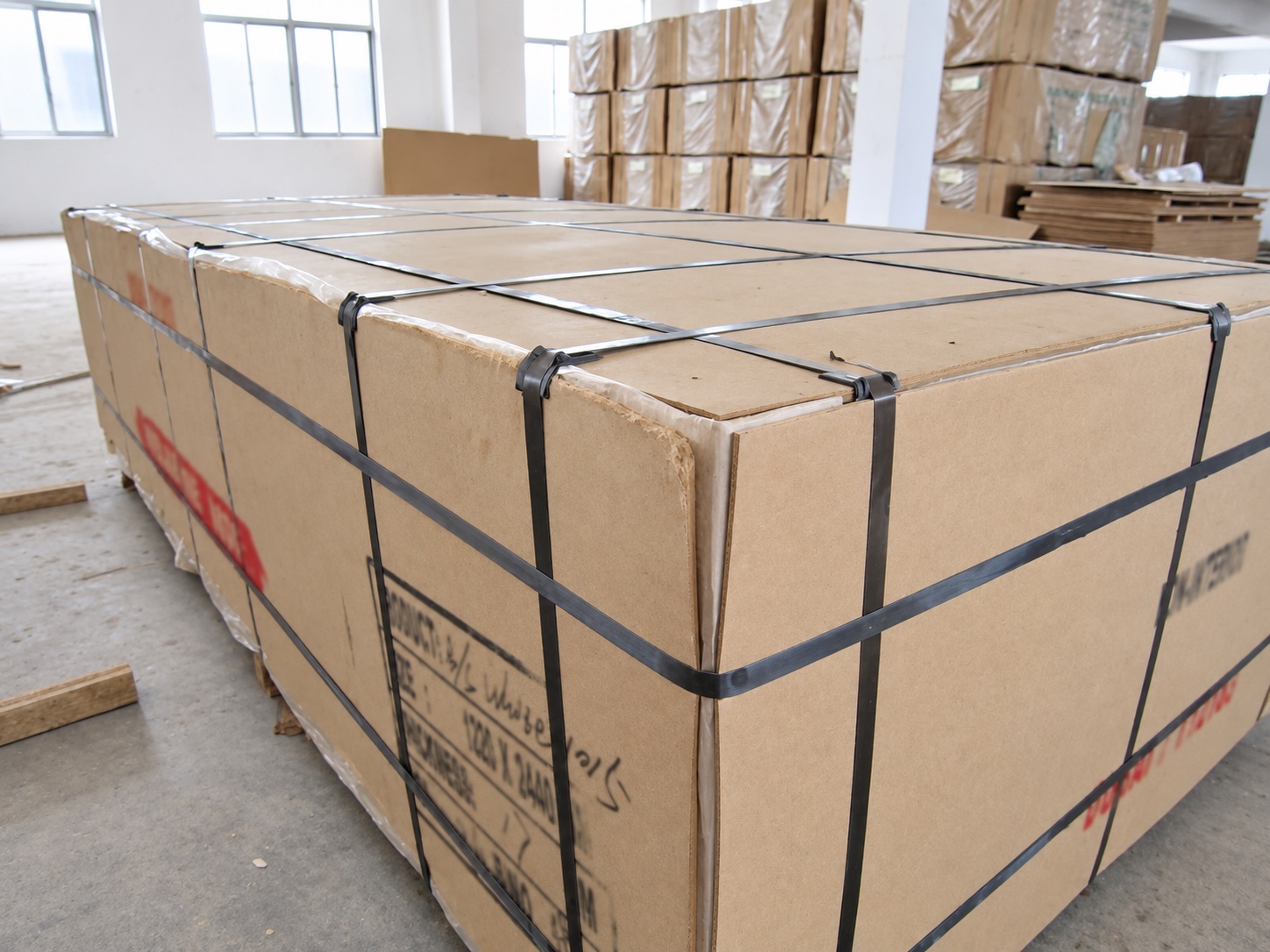
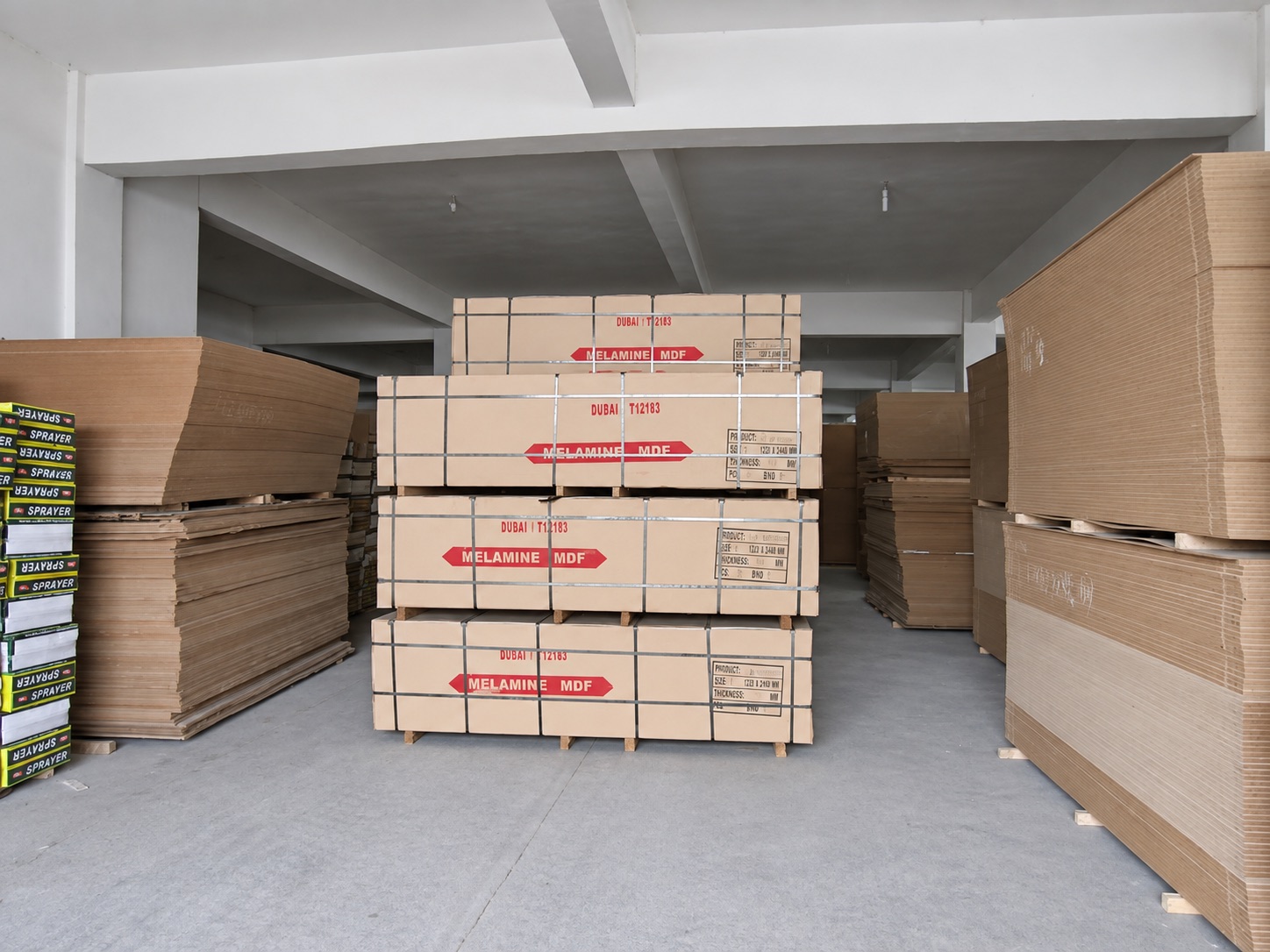
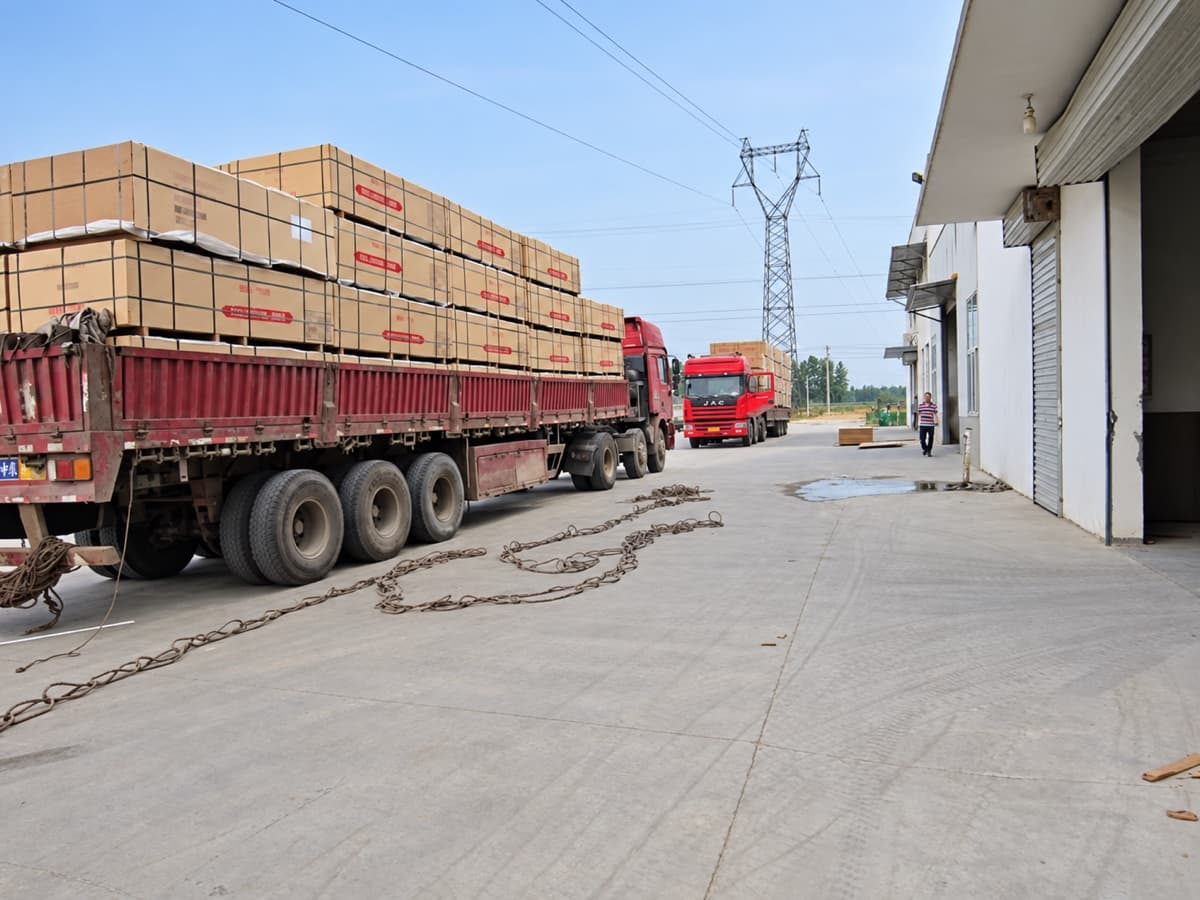
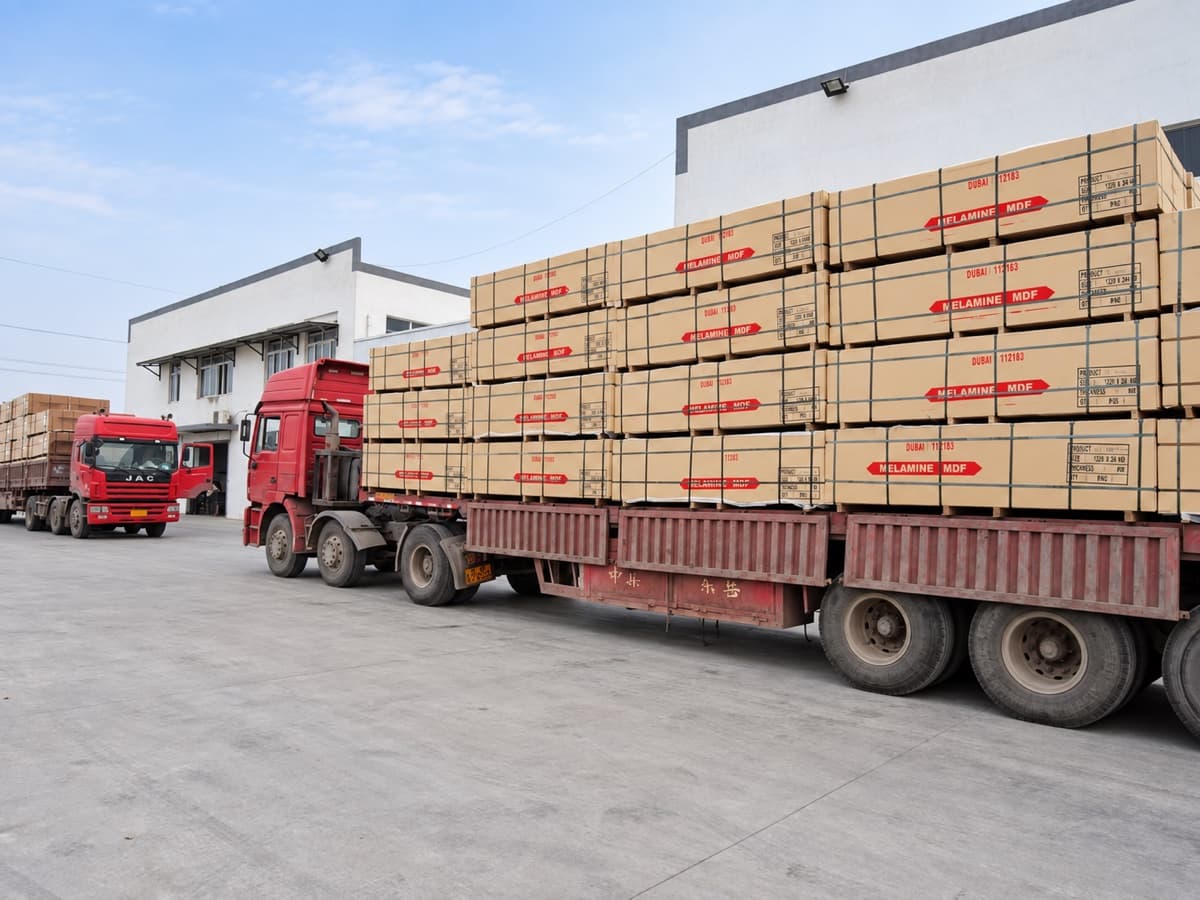
These photographs document actual MDF bundles prepared and stored for shipment.
Large-volume shipment planning
Container shipping remains the practical route for smaller and regular-volume orders. It provides an enclosed transport unit and a clear basis for bundle count, payload, seal and delivery planning.
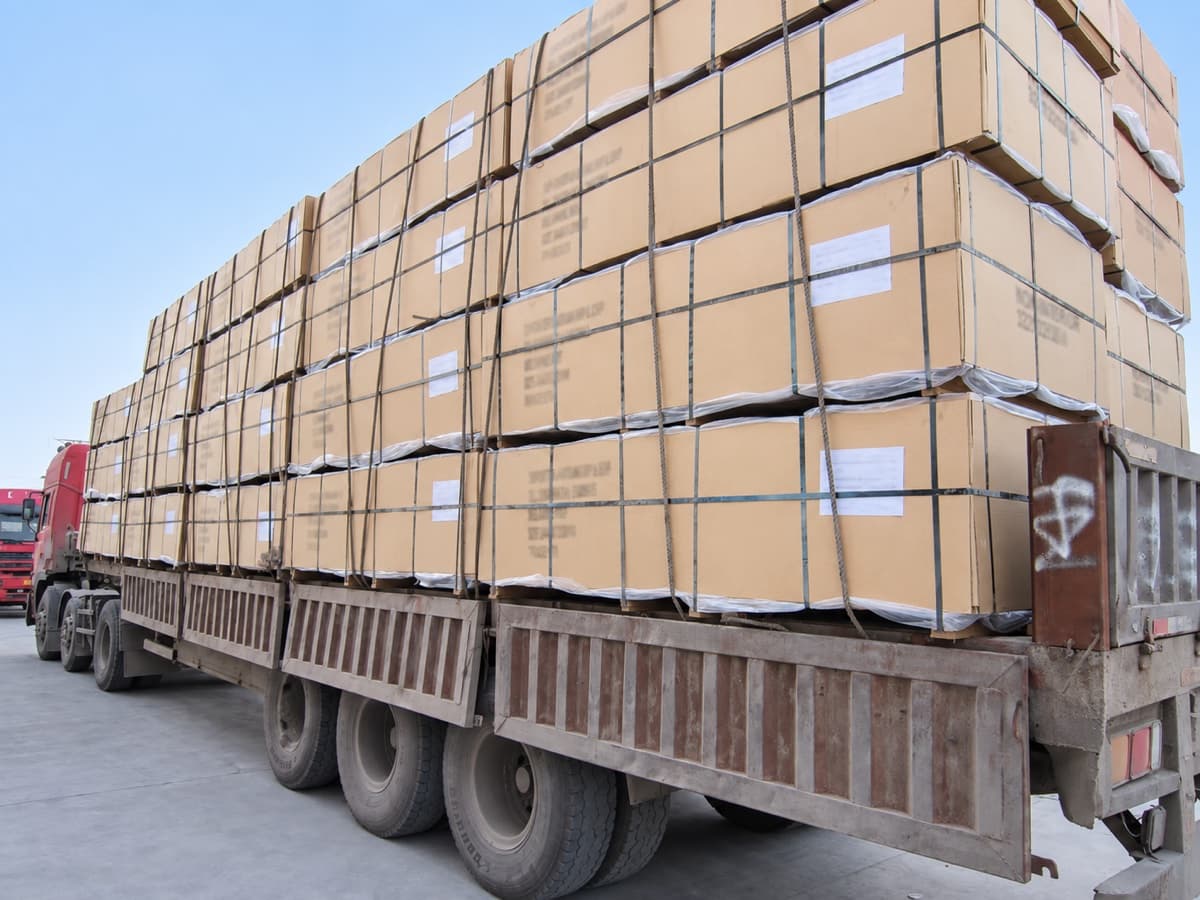
Because MDF is dense, a much larger order may require many containers. Where the trade route, shipment size and receiving port support it, protected MDF bundles can instead move as breakbulk cargo on a conventional vessel.
The choice is order-specific. Compare total landed logistics cost, available sailing, minimum shipment size, port charges, truck and terminal handling, weather exposure and destination unloading capability before confirming the transport mode. In shipping instructions, breakbulk is the clearer term for protected MDF bundles; bulk cargo usually means loose, unpackaged commodities.
Confirm rigid cover boards, face and edge protection, moisture barrier or wrapping, bearers and strap positions around the approved bundle.
Check bundle stability, truck support, restraint and weather protection before factory dispatch to the loading port.
Align bundle IDs, marks, counts, weights and lifting or handling requirements with the forwarder, terminal and vessel plan.
Export order controls
Connect the packaging construction to the same product, quantity and destination revision used for production.
Assign a bundle ID and reconcile the label, physical count and packing-list line.
Retain agreed photographs, dimensions, weights, exceptions and shipment decisions.
Connect the loaded bundles with the container number, seal record and receiving information.
Packaging and loading records
Agree the required photographs, measurements and documents with the order. Each stage confirms a different shipment condition and keeps the loaded cargo connected to the approved product and quantity.
| Stage | What to verify | Record to retain |
|---|---|---|
| Before packing | Approved product, dimensions, quantity, face and edge risks | Packing instruction and bundle grouping |
| After bundle construction | Covers, wrapping, guards, bearers, strap position and labels | Bundle photographs and count record |
| Before container loading | Container identity and condition, plate data, cargo weight and loading method | Loading release record |
| After loading | Loaded bundle count, position, visible condition and door-area clearance | Loading photographs, container number and seal record |
Packaging instruction inputs
The instruction is prepared from the confirmed order and receiving route. Bundle construction, external packed dimensions and safe loading require the confirmed product dimensions, quantity and receiving route.
Clear limitation
Protection does not make MDF waterproof or replace suitable covered handling, supported storage and finished-product design.
Planning resources
This page covers CUZI MDF's order execution, inspection checks and shipment documents. Use the buyer guide for general planning questions and the recorded case for one completed shipment.
Company information
Connect the instruction to the approved order revision. Record the product, sheet or component dimensions, quantity, surface condition, vulnerable faces or profiles, bundle grouping, destination and unloading method. Open decisions remain visible until the buyer and supplier close them.
Give every bundle an identifier that connects its product, finish, construction, component or cut-list group, quantity and destination. Direction-sensitive, mirrored or mixed parts require labels that remain understandable after the outer protection is removed.
Photograph the completed cover boards, wrapping, separators, guards, bearers and strap positions required by the approved instruction. Record the final bundle dimensions, sheet or part count and any deviation before the bundle enters the loading area.
Compare bundle IDs and quantities with the packing list before loading. Shipping marks, product descriptions and destination groups should use the same controlled names so the receiving team can identify the goods without guessing.
Record container identity, visible condition and relevant plate information before loading. Compare confirmed cargo weight with payload and applicable route restrictions, then confirm that the planned forklift and unloading access suit the bundle dimensions.
Retain photographs showing bundle condition, count and position during loading. Connect the images to the container number and order record. The photographs support the shipment record alongside quantity reconciliation and final weighing information.
Record damaged protection, missing labels, count differences or other exceptions with the affected bundle ID, photographs, records and decision. Use clear release states such as hold, correct and recheck, or approved written deviation.
Provide the final packing list, bundle identification and agreed handling or covered-storage notes to the receiving party. Packaging reduces transit risk but does not make MDF waterproof or compensate for prolonged wet storage after arrival.
Buyer support
Tell us your application, board specification, quantity and destination so CUZI MDF can review the requirement.