Professional MDF Manufacturer & Supplier

Thin MDF Board Manufacturer in China

2–11 mm Thin MDF Board from Shuyang, China for supported furniture components, decorative backing and surface-processing orders requiring controlled cutting and flat packing.

Product focus
Thin MDF Board supply
Buyer review
Grade · size · finish · processing
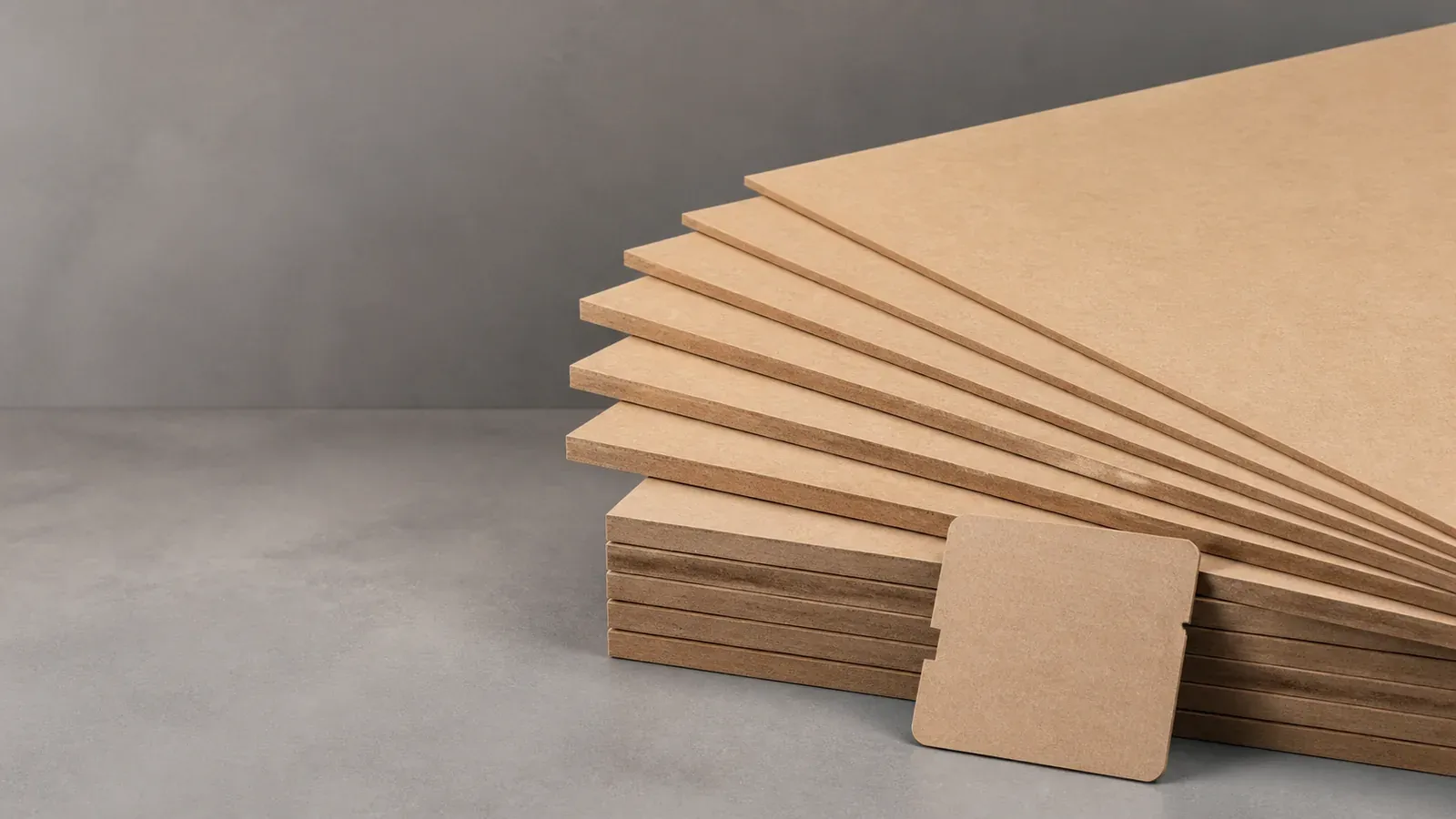
Thin MDF panels arranged to show board faces and compressed-fibre edges

Why this panel exists

2–11 mm Thin MDF Board selected by component, surface process and supported handling.

This page serves buyers sourcing 2–11 mm Thin MDF Board by exact thickness, board size, thickness-based density, two-face surface condition, cutting method and flat handling. HDF covers the higher-density product schedule, Hardboard has its own thin-sheet construction and face/reverse options, and Cut-to-Size MDF covers finished rectangular components.

Product introduction

What is Thin MDF Board?

Product definition

What is Thin MDF Board?

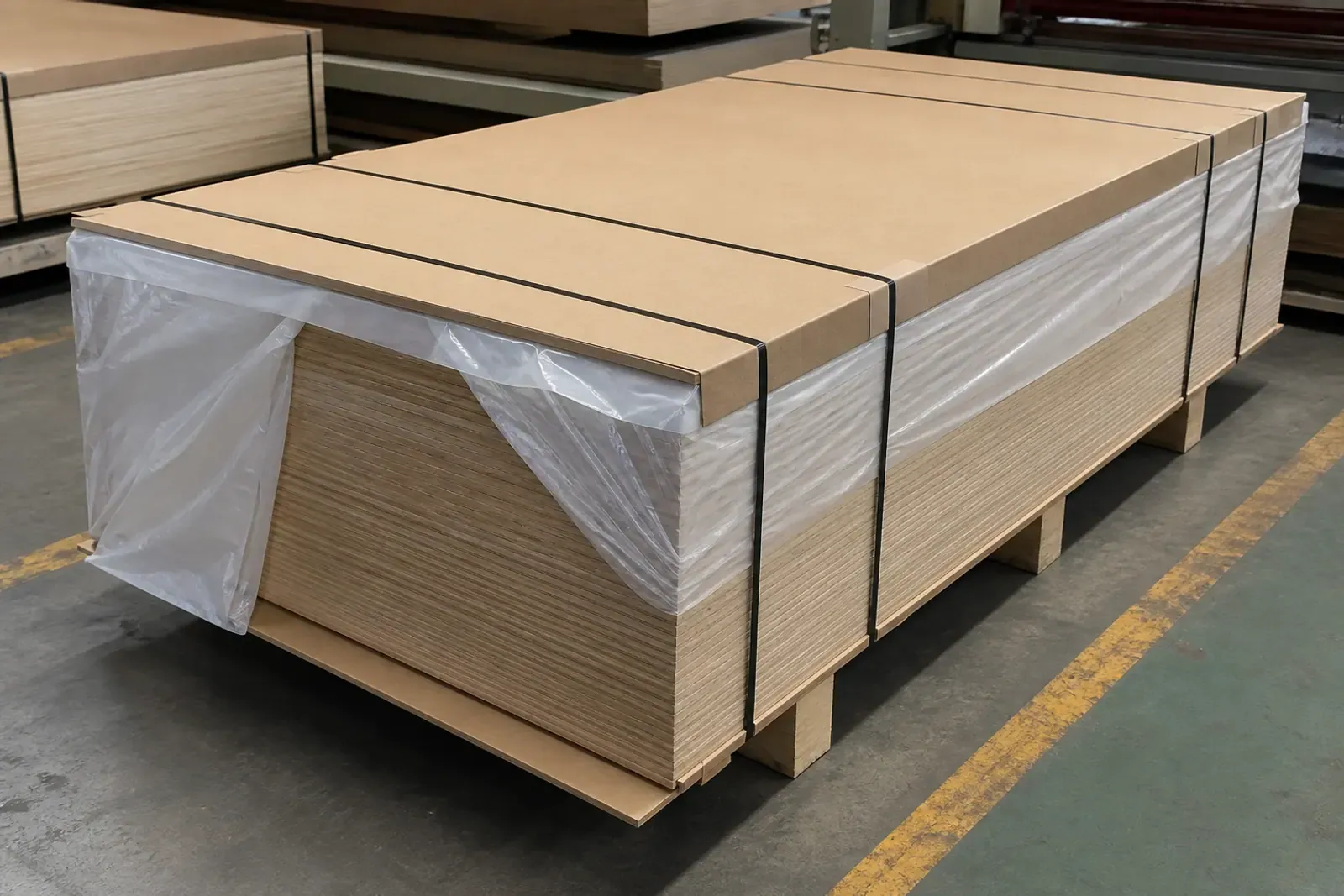
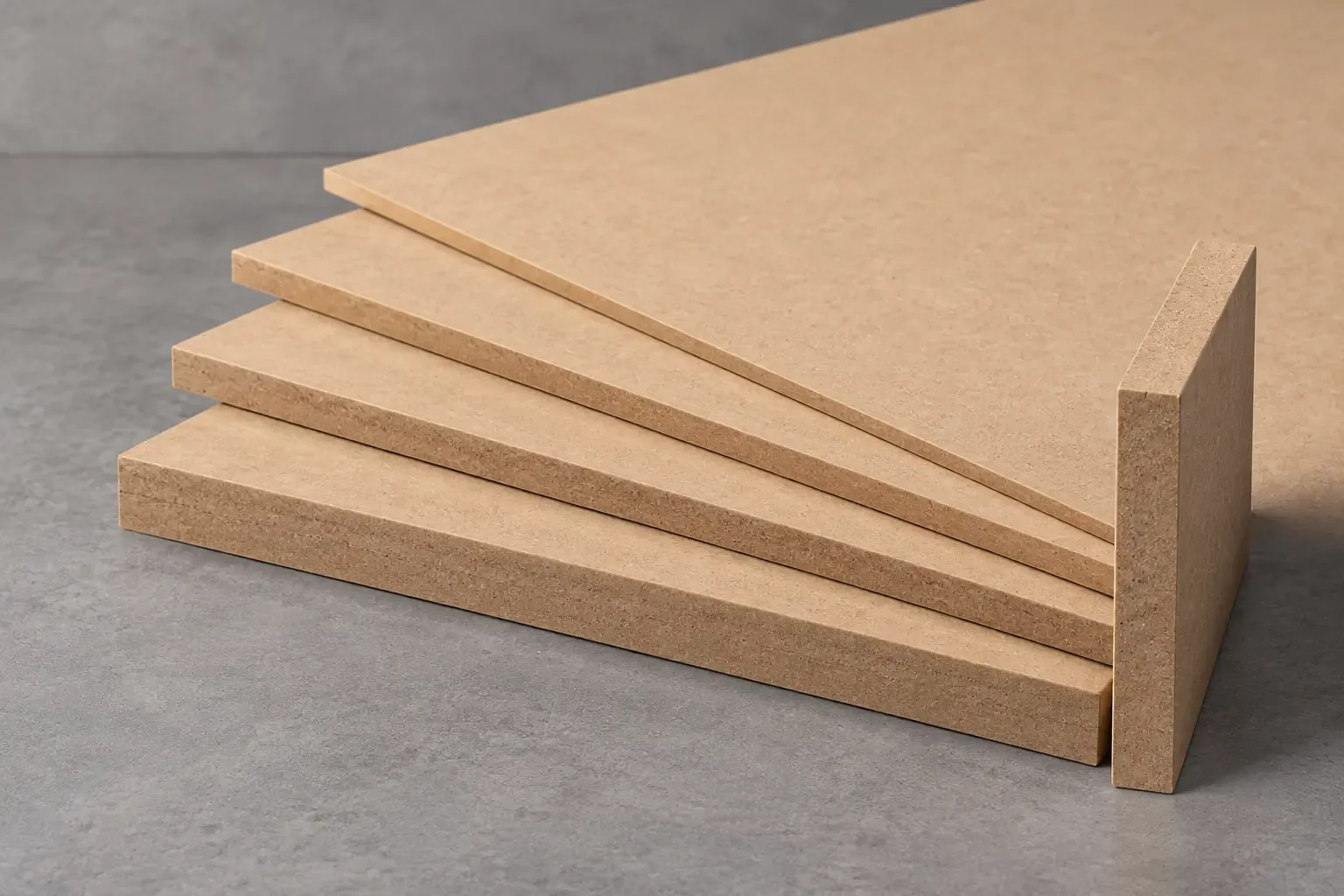
Thin MDF Board is standard MDF in the 2–11 mm thickness range for supported protected-interior components such as furniture backs, drawer bottoms, decorative liners, lamination substrates, door skins and display parts. Both faces can be supplied smooth and sanded for melamine pressing, painting, laminating and other downstream processes. Because thin full sheets flex more readily than thicker panels, buyers should define the support method, finished part, cutting method, face requirement, storage orientation and packaging. The density schedule is 800–810 kg/m³ for 2–4 mm, 780–800 kg/m³ for 5–8 mm and 760–780 kg/m³ for 9–11 mm. A 3 mm 1220 × 2440 mm sheet at 800–810 kg/m³ has a calculated weight of approximately 7.1–7.2 kg before packaging. Thin MDF remains a non-structural interior panel and is not automatically moisture resistant, waterproof or suitable for an unsupported span.
Buyer advantage

Why choose Thin MDF Board?

The order must state the required product. CUZI MDF Thin MDF follows the standard MDF density schedule, while HDF and Hardboard have separate product pages, density data and construction details. Thin full sheets can bend, bow or damage at corners when lifted without support. Handling points, board orientation and destination unloading should be planned before packing. Thin sections need suitable tooling, continuous machine support and controlled part collection. Narrow strips and small components may require trial cutting and identified stacking. A smooth raw face does not define the complete laminating, painting or coating result. Buyers should confirm both faces, visible side, cleanliness and the downstream process. Wide bearer spacing, unsupported overhang, excessive stack height or concentrated strap pressure can affect flatness and damage edges. Thin MDF is intended for supported protected-interior use. It does not establish structural capacity, exterior suitability or resistance to prolonged water exposure.

Application fit

Applications

Relevant application discussions include acoustic panel substrates, hardboard for furniture backs and drawer bottoms. Final product suitability must be reviewed against the buyer's actual application and confirmed specification.

Supply support

Why choose CUZI MDF?

CUZI MDF coordinates 2–11 mm Thin MDF Board production and delivery from Shuyang, Jiangsu, China. Capacity is 300 m³ per day for each thickness. The normal MOQ is 1 × 20'GP for each individual specification, and normal production lead time is 7–15 days after the thickness, size, density, E0, E0.5 or E1 requirement, surface, processing, packaging and commercial requirements are confirmed. Buyer terminology: Thin MDF Board may be searched as thin MDF, thin MDF sheets, 3mm MDF board, 6mm MDF board or 9mm MDF board. It covers standard MDF panels from 2–11 mm. HDF provides a higher-density schedule, Hardboard provides a separate thin-sheet construction, and Cut-to-Size MDF provides finished rectangular components.

Product USP

Why Buyers Choose Thin MDF Board

The purchasing priorities below connect Thin MDF Board with specification, processing and order requirements.

2–11 mm thickness-led selection

Connects the selected thickness with its density band, board format, finished component and downstream process.

Smooth two-face processing surface

Sanded faces support buyer-reviewed melamine pressing, painting, laminating and other further processing methods.

Cutting and small-part control

Tooling, continuous machine support, part geometry, labels and clean stacking are reviewed before repeat component production.

Flat supported export packing

Full sheets and thin components use suitable bearers, cover boards, edge protection, wrapping and controlled bundle pressure.

Buyer problems solved

Thin MDF Board Purchasing Risks to Control Before Production

Thin MDF is confused with HDF or Hardboard

The order must state the required product. CUZI MDF Thin MDF follows the standard MDF density schedule, while HDF and Hardboard have separate product pages, density data and construction details.

Unsupported sheets flex during handling

Thin full sheets can bend, bow or damage at corners when lifted without support. Handling points, board orientation and destination unloading should be planned before packing.

Cut edges chip or small parts move

Thin sections need suitable tooling, continuous machine support and controlled part collection. Narrow strips and small components may require trial cutting and identified stacking.

Surface requirements are incomplete

A smooth raw face does not define the complete laminating, painting or coating result. Buyers should confirm both faces, visible side, cleanliness and the downstream process.

Packing allows sag or strap marks

Wide bearer spacing, unsupported overhang, excessive stack height or concentrated strap pressure can affect flatness and damage edges.

Thin board is treated as structural or waterproof

Thin MDF is intended for supported protected-interior use. It does not establish structural capacity, exterior suitability or resistance to prolonged water exposure.

Why choose CUZI MDF

MDF manufacturing, customization, inspection and international supply.

CUZI MDF reviews different MDF grades and specifications for furniture factories, distributors and international B2B buyers.

Professional MDF manufacturing

CUZI MDF focuses on MDF manufacturing and specification-led supply for international B2B buyers.

Customized MDF review

Thickness, size, surface, processing and packaging requirements are reviewed against the requested product and order.

Quality and document control

Quoted technical values are matched to the selected product, current test reports and the written order specification.

International supply planning

Order planning covers confirmed specification, quantity, packaging needs, destination and shipment coordination.

Technical specification

Thin MDF Board Specifications

CUZI MDF supplies standard and customized specifications for furniture factories, distributors and project orders.

Thickness2–11 mm Thin MDF; nominal tolerance ±0.1 mm subject to the confirmed measuring and acceptance method.
Size1220 × 2440 mm; 2100 × 2800 mm; 1830 × 3660 mm; 1830 × 2440 mm; 2440 × 3660 mm; 1830 × 4200 mm.
Density2–4 mm: 800–810 kg/m³; 5–8 mm: 780–800 kg/m³; 9–11 mm: 760–780 kg/m³.
GlueThe bonding system follows the selected product grade and construction.
Formaldehyde gradeE0, E0.5 and E1 options. The specified emission class, test standard, product scope and destination requirement must be confirmed for each order.
SurfaceSanded and smooth; suitable for melamine pressing, painting, laminating and other downstream processes. Confirm the face condition, supported handling and finishing process for the order.
Supported-use scopeSupported protected-interior Thin MDF; structural capacity, unsupported span, moisture exposure and finished-component suitability remain buyer-controlled design requirements.

All product options, processing, packaging and timing remain subject to confirmation against the final specification, quantity, production schedule and destination.

Indicative export pricing

A practical starting range for quotation planning.

US$190–350 per m³

Availability
Available to order
Specification review
5.0/5.0

Custom specifications determine the final price.

This price range is an indicative export reference for configurable B2B orders, not a fixed or binding offer. Final unit pricing is confirmed in a written quotation.

  • Product grade, thickness, density and board size
  • Surface construction, color, processing and packaging
  • Order quantity, payment terms and production scheduling
  • Incoterm, destination, freight and document requirements

Technical specification completeness review

The product page states the principal board or component specification, configurable order factors, indicative price basis and quotation requirements needed for an initial B2B purchasing review.

Reviewed by CUZI MDF Product & Technical Team.

Request an exact quotation

Features

Specify what matters on the factory floor.

2–11 mm Thin MDF range

Select 2–4 mm, 5–8 mm or 9–11 mm with the corresponding density band and intended finished component.

±0.1 mm thickness tolerance

The nominal requirement is ±0.1 mm; the written specification should also state the measuring and acceptance method.

Standard and large board formats

Reference formats include 1220 × 2440 mm, 2100 × 2800 mm, 1830 × 3660 mm, 1830 × 2440 mm, 2440 × 3660 mm and 1830 × 4200 mm.

Thickness-based density schedule

CUZI MDF Thin MDF density is 800–810 kg/m³ for 2–4 mm, 780–800 kg/m³ for 5–8 mm and 760–780 kg/m³ for 9–11 mm.

Calculated sheet-weight planning

Panel weight is calculated from thickness × length × width × density so lifting, bundle quantity and loading can be reviewed separately from packaging weight.

Representative cutting or finishing trial

A sample sheet or finished part can confirm face, edge, flatness, cutting and downstream processing expectations before repeat production.

Moisture-content range

Thin MDF is intended for supported protected-interior use and is not automatically moisture resistant or waterproof. Define exposure, edge protection and finishing for the finished component.

Processing notes

Review tooling, continuous machine support, cutting, drilling, punching, small-part collection, coating or laminating with the finished component and handling route.

Applications

Applications of Thin MDF Board

MDF for Acoustic Panel Substrates

MDF acoustic-panel procurement supplies a machined substrate within a specified acoustic assembly. The order must connect perforations or grooves, finish, backing, cavity and installation details to the system design.

Explore application

Hardboard for Furniture Backs and Drawer Bottoms

Hardboard backs and drawer bottoms are thin, supported furniture parts. Specify assembly fit, visible-face orientation and support before choosing a nominal sheet thickness.

Explore application

Buyer guides

Continue the Thin MDF Board purchasing review.

These guides explain the next specification, application and procurement decisions connected to this product.

Procurement Scenario: MDF Distributor Mixed-Product RFQ Planning

Build a distributor MDF RFQ through line-level product definitions, market priorities, document and sample requirements, MOQ decisions, confirmed weights, bundle planning and landed-cost comparison.

Explore application

Hardboard for Furniture Backs: Fit, Face Orientation and Support

Specify a hardboard back or drawer bottom as part of the furniture assembly. Component dimensions, face orientation, groove or fixing interface, support, exposure, finish, trial fit and flat packing determine the delivered part.

Explore application

Hardboard vs MDF vs HDF: Which Fibreboard Fits the Component?

Hardboard, MDF and HDF are separate fibreboard purchasing categories. Choose between them through the component thickness, face and reverse construction, support, machining, finish and packing requirements; density is one comparison value within that complete specification.

Explore application

MDF Container Loading: Data Buyers Should Confirm Before Booking

Container planning begins with the exact product mix, packed bundle dimensions, confirmed net and gross weights, loading method, equipment limits, route and receiving conditions. A theoretical sheet calculation is one input to the final loading plan.

Explore application

Customization capability

Customized Thin MDF Board Supply

Send the required dimensions, surface, processing drawings, packaging and destination. CUZI MDF confirms production feasibility before issuing a quotation.

Thickness, format and density

Specify 2–11 mm thickness, full-sheet format, applicable density band, quantity and any finished component dimensions.

Product category and emission class

Identify the product category as Thin MDF, HDF or Hardboard, then state the E0, E0.5 or E1 requirement and applicable test standard.

Cutting and component details

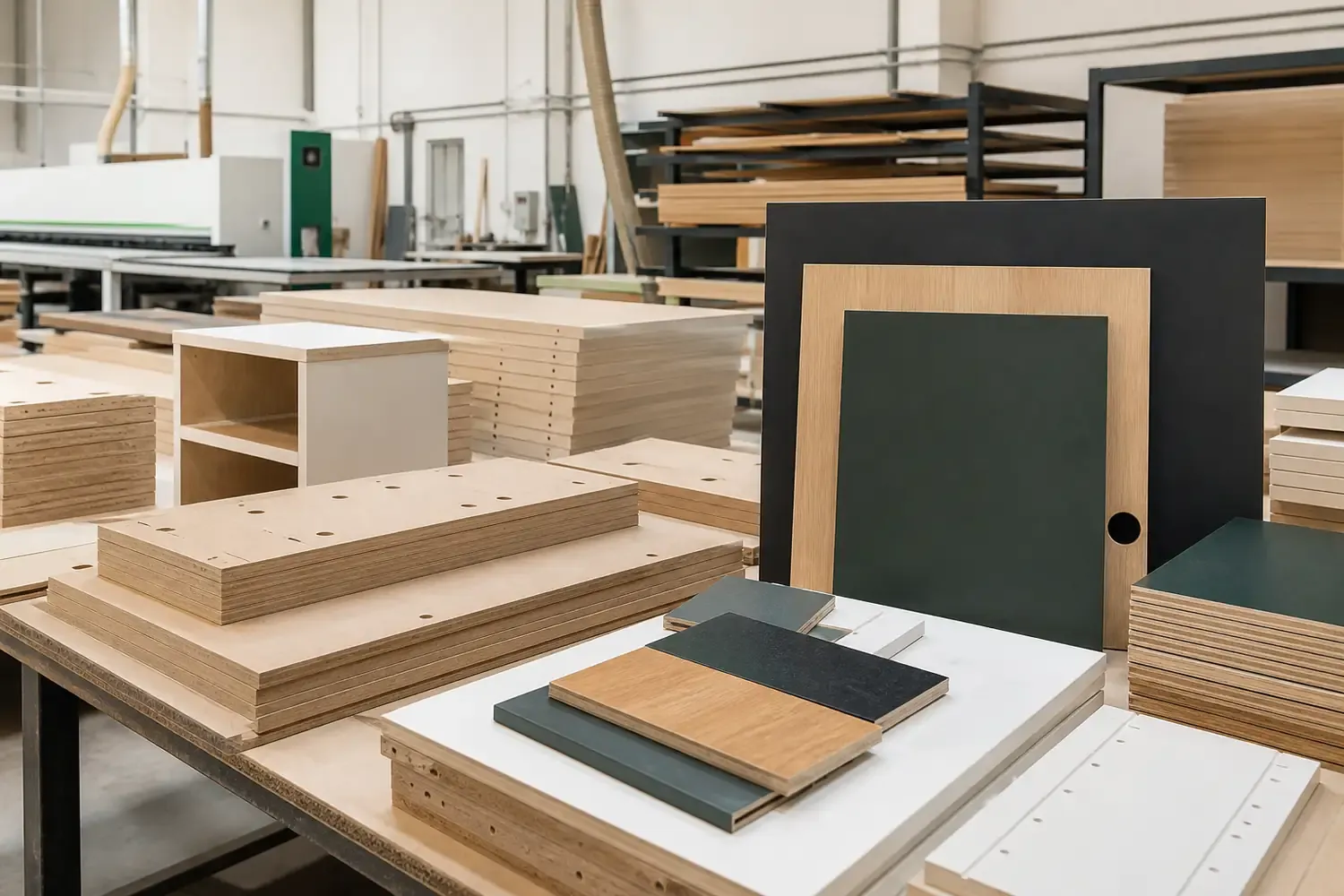
Provide cut list, revision, units, part IDs, finished dimensions, quantities, visible face, edge condition and critical tolerance points.

Surface and downstream process

Define raw or sanded faces, melamine pressing, painting, laminating, coating or another confirmed process, including which face remains visible.

Flatness and handling route

State storage orientation, machine feeding, line-side handling, finished-part support and destination unloading constraints.

Thin-panel export packaging

Packaging is selected from thickness, format, surface, quantity, stack direction, handling, destination and customer requirements.

Packaging options

Use suitable bearers, continuous flat support, cover boards, clean separators, edge and corner protection, wrapping and controlled strap pressure selected for the confirmed format and bundle weight.

Purchasing / RFQ guidance

Provide Thin MDF category, thickness, size, density, E0/E0.5/E1 requirement, application, finished component or cut list, visible face, processing, quantity, flatness and packing requirements, destination and requested documents.

Manufacturing capability

CUZI MDF Manufacturing Capability

MDF production capability

Production planning begins after the product specification and commercial requirements are confirmed.

Quality management

Applicable checks are aligned with the confirmed MDF product, dimensions, surface, processing and other agreed criteria.

Customized manufacturing

CUZI MDF reviews grade, dimensions, surface, CNC processing and packaging requirements before confirming production.

Packaging and supply

Packaging and timing are confirmed against the final product, quantity, production schedule and destination.

Production workflow

CUZI MDF Manufacturing Process

The production workflow connects the confirmed product specification with panel manufacturing, inspection and export-oriented packaging.

Confirm specification

Review product type, dimensions, surface, processing, quantity and destination.

Plan production

Translate the approved order requirements into the applicable production and handling plan.

Inspect and prepare

Review the finished order against agreed requirements before packaging and shipment preparation.

Buyer FAQ

Questions buyers ask before specifying Thin MDF Board.

What thickness range does this Thin MDF Board page cover?

This page focuses on standard MDF from 2 mm to 11 mm. Thicker 19–35 mm purchasing intent belongs to Thick MDF Board; 12–18 mm general raw-panel supply remains on Raw MDF.

Which Thin MDF Board sizes are available?

Listed full-sheet formats are 1220 × 2440 mm, 2100 × 2800 mm, 1830 × 3660 mm, 1830 × 2440 mm, 2440 × 3660 mm and 1830 × 4200 mm. Final feasibility follows the complete specification and handling plan.

What density is used for Thin MDF Board?

The density schedule is 800–810 kg/m³ for 2–4 mm, 780–800 kg/m³ for 5–8 mm and 760–780 kg/m³ for 9–11 mm.

How much does a 3 mm 1220 × 2440 mm Thin MDF sheet weigh?

Using 800–810 kg/m³, the calculated net sheet weight is approximately 7.1–7.2 kg before packaging. Order planning should use the confirmed product density and actual pack configuration.

What is the difference between Thin MDF, HDF and Hardboard?

Thin MDF on this page follows the standard MDF density schedule and smooth two-face construction. HDF uses a higher-density schedule. Hardboard is a separate thin fibreboard product with its own density range and face/reverse construction.

Can Thin MDF be used for furniture backs and drawer bottoms?

Yes, for supported protected-interior components when the thickness, groove or fixing, span, surface, exposure and complete furniture design are reviewed. Use the assembled furniture design to provide the required support.

Can Thin MDF be bent or curved?

Thin sheets can flex more readily. Establish the safe bending radius and finished curved construction from the radius, direction, layer construction, adhesive, support and a representative sample.

Can Thin MDF be laminated or painted?

The two smooth sanded faces can support melamine pressing, painting, laminating and other further processes. The buyer should confirm face cleanliness, visible side, adhesive or coating process and representative trial.

How should Thin MDF be cut and handled?

Use suitable tooling, continuous machine support and controlled part collection. Full sheets and components should remain flat and supported during storage, line-side movement, packing and unloading.

How should Thin MDF be packed for export?

Use suitable bearers, continuous flat support, cover boards, clean separators, protected edges and corners, moisture-protective wrapping and controlled strap pressure selected for the confirmed format and bundle weight.

What are the normal capacity, MOQ and lead time?

The Shuyang base has production and delivery capacity of 300 m³ per day for each thickness. The normal MOQ is 1 × 20'GP for each specification, and normal production lead time is 7–15 days after confirmation.

What should a Thin MDF Board RFQ include?

Provide product category, thickness, size, density, E0/E0.5/E1 requirement, application, finished component or cut list, visible face, processing, quantity, flatness and packing requirements, destination and requested documents.

Are the ranges on this page confirmed for every order?

No. Product-specific availability and values are confirmed against the proposed order.

What should the purchasing RFQ include?

Provide Thin MDF category, thickness, size, density, E0/E0.5/E1 requirement, application, finished component or cut list, visible face, processing, quantity, flatness and packing requirements, destination and requested documents.

Specification to quotation

Request a Thin MDF Board Quotation

Send your target grade, dimensions, quantity, surface or processing requirements and destination. CUZI MDF will review the specification and provide quotation support for the confirmed requirement.

  • Target grade or test standard
  • Thickness, size, density and quantity
  • Surface, CNC and packaging requirements
  • Destination and requested timing

By submitting this business inquiry, you acknowledge how CUZI MDF handles the information described in our Privacy Policy.